Specialized rehabilitation for coma, unresponsive wakefulness, and minimally conscious states after severe brain injury

The Disorders of Consciousness (DoC) Program at Shepherd Center offers highly personalized, evidence‑based rehabilitation for individuals in a minimally conscious or reduced‑consciousness state after a severe brain injury. For more than two decades, we’ve been one of the few specialized DoC programs in the country dedicated to supporting patients and families during this deeply challenging time.

Program overview

Our Disorders of Consciousness Program is designed for individuals who require specialized neurological care beyond traditional inpatient rehabilitation. This phase of disorders of consciousness rehabilitation focuses on medical stability, arousal, responsiveness, and preparation for the next level of recovery.

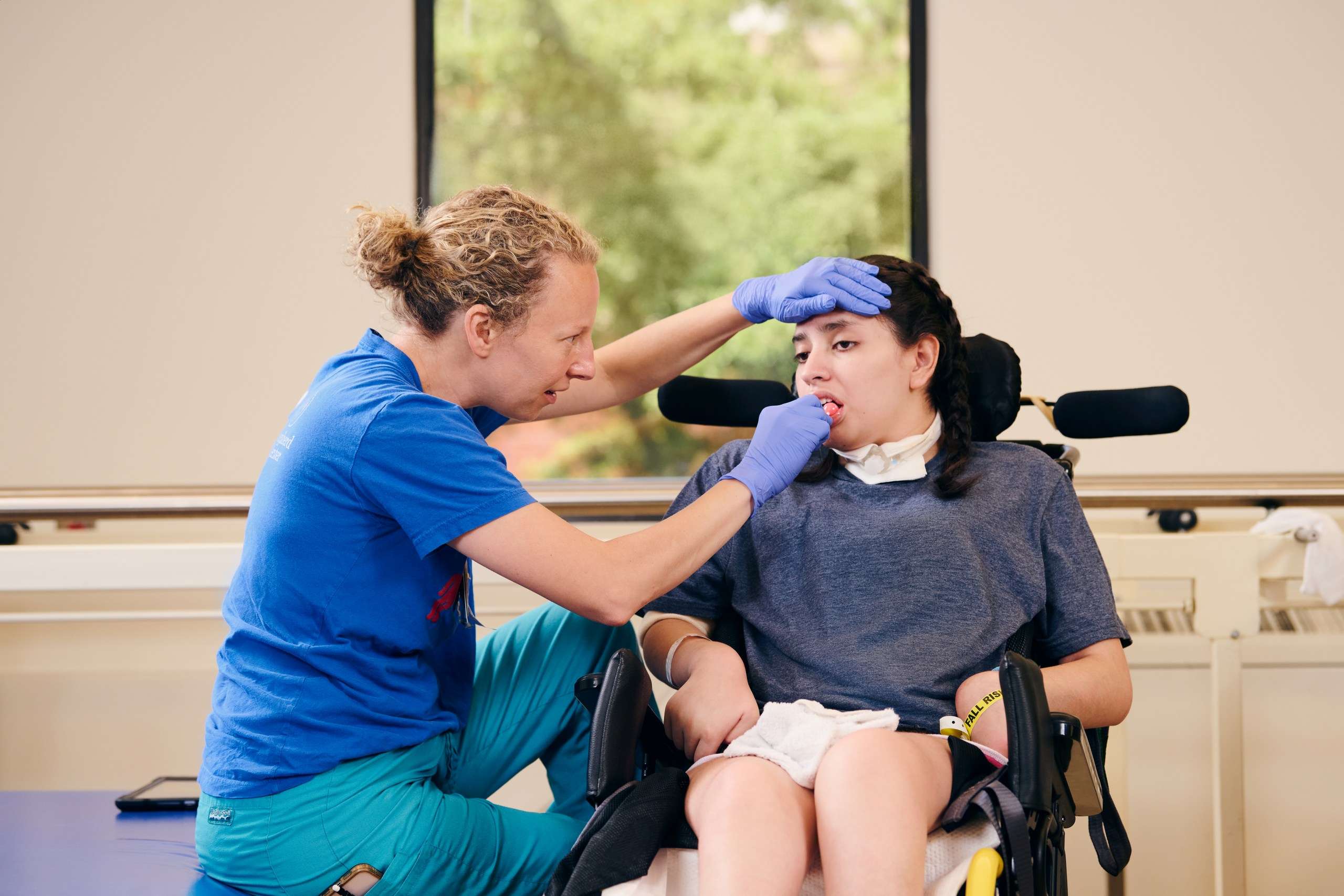
Your loved one may participate in a structured minimal conscious state rehabilitation approach that combines sensory stimulation, positioning, communication trials, and early functional activities based on their neurological presentation.

Who we treat

We care for adolescents and adults with severe acquired brain injury (traumatic or non‑traumatic) who are medically stable and present with reduced or minimally conscious states. Typical indicators include a present sleep/wake cycle, inconsistent or absent command following, and the need for structured arousal and communication trials. Final eligibility is determined by our interdisciplinary team after clinical review.
DoC program goals

Our disorders of consciousness rehabilitation program delivers highly individualized treatment plans tailored to each patient’s unique medical and neurological needs. Core goals include:

  • Stabilizing medical needs through comprehensive management of neuropharmacology, respiratory function, nutrition, and overall health.
  • Promoting arousal and responsiveness using structured sensory stimulation, optimal positioning, and mobility strategies.
  • Establishing reliable communication pathways and supporting early cognitive engagement as responsiveness emerges.
  • Preventing secondary complications such as skin breakdown, spasticity, contractures, and disrupted sleep–wake cycles.
  • Preparing families for safe caregiving with hands‑on instruction, practical tools, and clear guidance for what to expect at home.
  • Planning the right next step, whether that is active inpatient rehabilitation, discharge home with supports, or transition to long‑term care.

To enhance engagement, the program may also incorporate a minimally conscious stimulation program, along with environmental modifications that support arousal, communication, and cognitive recovery.

What to expect

Daily treatment includes coordinated therapies delivered by clinicians experienced in disorders of consciousness physical therapy, disorder of consciousness occupational therapy, and speech‑language pathology. Therapy may include:

  • Disorders of consciousness physical therapy to support positioning, tone management, and early mobility
  • Disorder of consciousness occupational therapy focused on engagement, sensory processing, and emerging functional responses
  • Communication trials and cognitive stimulation led by speech‑language therapists
  • Medication management overseen by physicians specializing in brain injury rehabilitation

Your loved one is supported by a consistent, interdisciplinary team of disorders of consciousness specialists who work closely together to deliver coordinated, compassionate care. This dedicated team may include:

  • A brain injury physician, who oversees the program and manages medical care
  • Rehabilitation nurses with expertise in complex neurological needs
  • Physical, occupational, and speech‑language therapists focused on mobility, communication, and daily function
  • Neuropsychology and psychology providers, offering cognitive support and guidance for both patients and families
  • Respiratory therapists, as needed, to support breathing and airway management
  • A registered dietitian to ensure optimal nutrition and healing
  • A case manager and social worker to help navigate benefits, resources, and discharge planning
  • Recreation therapy, peer support, chaplaincy, and additional specialists as appropriate

Together, this team partners with your family to understand your loved one’s needs, track progress, and plan thoughtfully for the next steps in recovery.

Each patient undergoes comprehensive assessments to determine medical status, mobility, muscle tone, arousal, communication, and cognitive functioning upon admission. Weekly assessments using the Coma Recovery Scale-Revised (CRS-R) track the patient’s progress to help guide treatment modifications toward greater levels of consciousness.

Start your journey with Shepherd

When it comes to rehabilitation, you have the power to choose. Select the care that feels like home.

Discharge planning and “what’s next”

Toward the end of a patient’s stay, the case manager, along with other members of the DoC treatment team, works closely with the family to determine the best options moving forward. These options may include:

  • Progressing to a rehabilitation level of care: Patients who show improvements may transition to a more active rehabilitation program where they can continue working on functional recovery.
  • Discharging home with supportive services: Patients may be discharged home with supportive services. In such cases, a transition support coordinator will be available to the family for 60 days post-discharge to answer questions and provide support during the transition from hospital to home.
  • Discharging to a long-term care facility: If further specialized care is needed, the team will assist in transitioning the patient to an appropriate facility that can meet their ongoing needs.

80%


The percentage of patients who progress from a minimally conscious or unresponsive wakefulness to rehabilitation-level care and successfully transition home is 80%.

More DoC Patient Outcomes
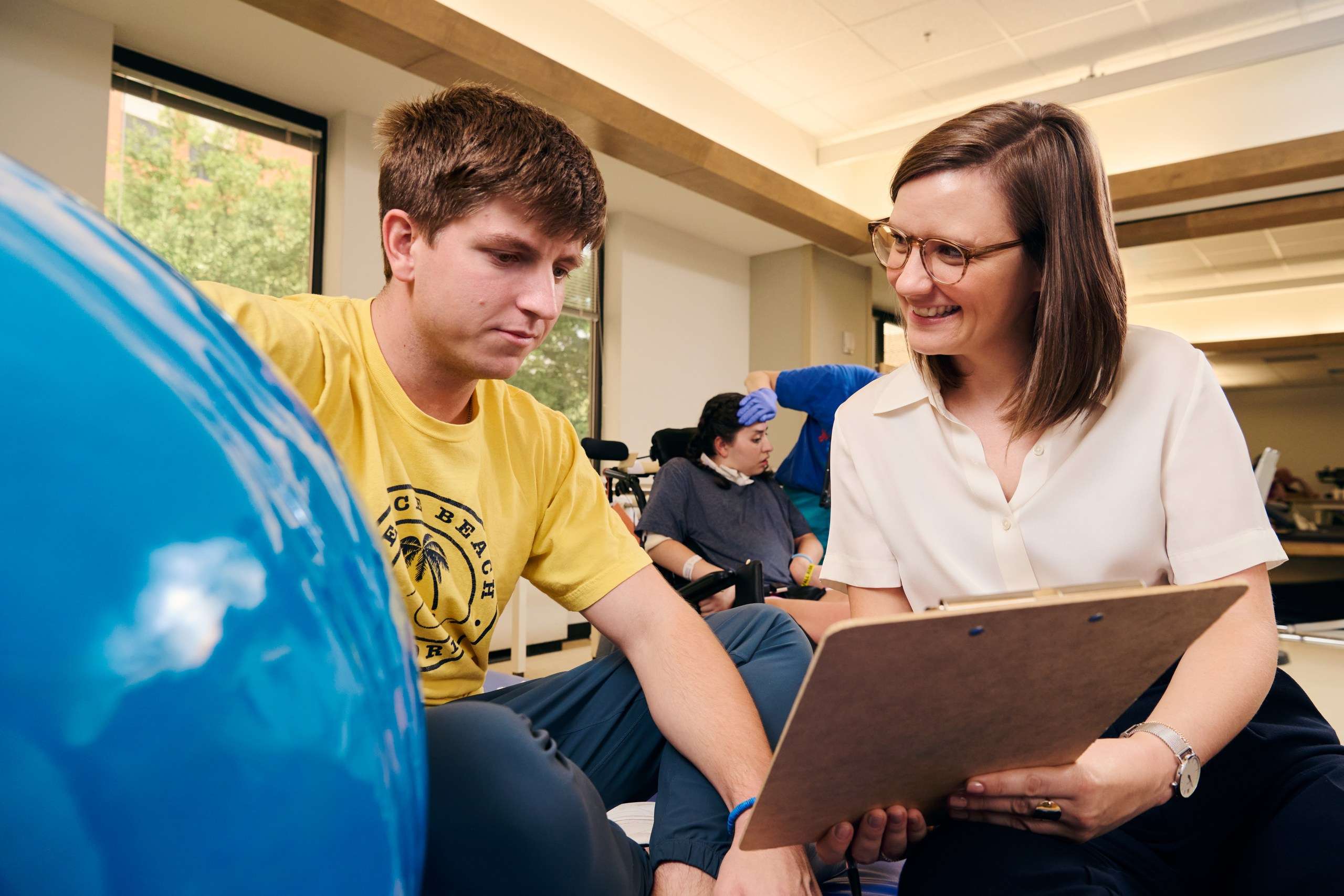
A woman holding a clipboard smiles at a man in a yellow shirt next to a large blue exercise ball. In the background, another person in a blue shirt is seated, visibly focused on a task. The setting appears to be a therapy or rehabilitation room.

Family-centered education and training

Your involvement plays a vital role in your loved one’s recovery through the DoC Program. We support you with education, training, and resources to help you feel confident and included. You’ll have opportunities to share goals, ask questions, and take part in hands-on training. We also offer family orientation sessions, brain injury lectures, support groups, peer meetings, monthly events, therapy training, and community outings to keep you informed and connected throughout the journey.

It was slow, but each day brought changes in what my son could comprehend. That he was able to recover and become independent, much of that is due to the care given to him at Shepherd Center.

La Ronda Forsey, Tennessee Mother of Patient with Disorder of Consciousness

FAQs

With unresponsive wakefulness, an individual has periods of time when they are awake and will demonstrate generalized responses to stimulation. Generalized responses are behaviors that occur due to reflexes or happen automatically. An individual in this state may move, but all movements are reflexive and are not purposefully controlled.

In a minimally conscious state, an individual has periods of wakefulness and will show purposeful responses in reaction to things happening around them. Purposeful responses are behaviors that show that an individual is gaining awareness of things happening to them and are beginning to interact with things in their environment.

The best disorders of consciousness programs share these features:

  • Specialized expertise in minimally conscious states
  • Multiple disciplinary teams of physicians, therapists, psychologists, nutritionists, and more
  • Access to physical, occupational, and speech therapies
  • Strong family education and discharge planning support
  • Evidence-based measures such as the Coma Recovery Scale-Revised (CSR-R)

Outcomes vary based on injury severity, medical factors, and patient response. Some individuals progress to active inpatient rehabilitation, others transition home with support, and some require ongoing specialized care.

Shepherd Center’s Disorders of Consciousness Program focuses on maximizing recovery potential while supporting families through informed decision‑making. 80% of our patients who emerge from a minimally conscious or unresponsive wakefulness state and advance to rehabilitation level of care typically transition back home.

Shepherd Center measures progress using standardized assessments such as the Coma Recovery Scale–Revised (CRS‑R). These evaluations help clinicians track changes in arousal, communication, and responsiveness over time and adjust treatment plans to support recovery of consciousness. The higher the score, the higher the level of consciousness.